
You need smoke detectors that actually work when you need them, and the choice between hardwired and battery-powered models matters more than you might think. Hardwired units offer constant power and often interconnect across your home, while battery-powered units give flexible placement and simpler installation—choose hardwired with a sealed 10-year battery backup when you want the most reliable, low-maintenance protection; choose battery-only when wiring is impractical or cost-prohibitive.
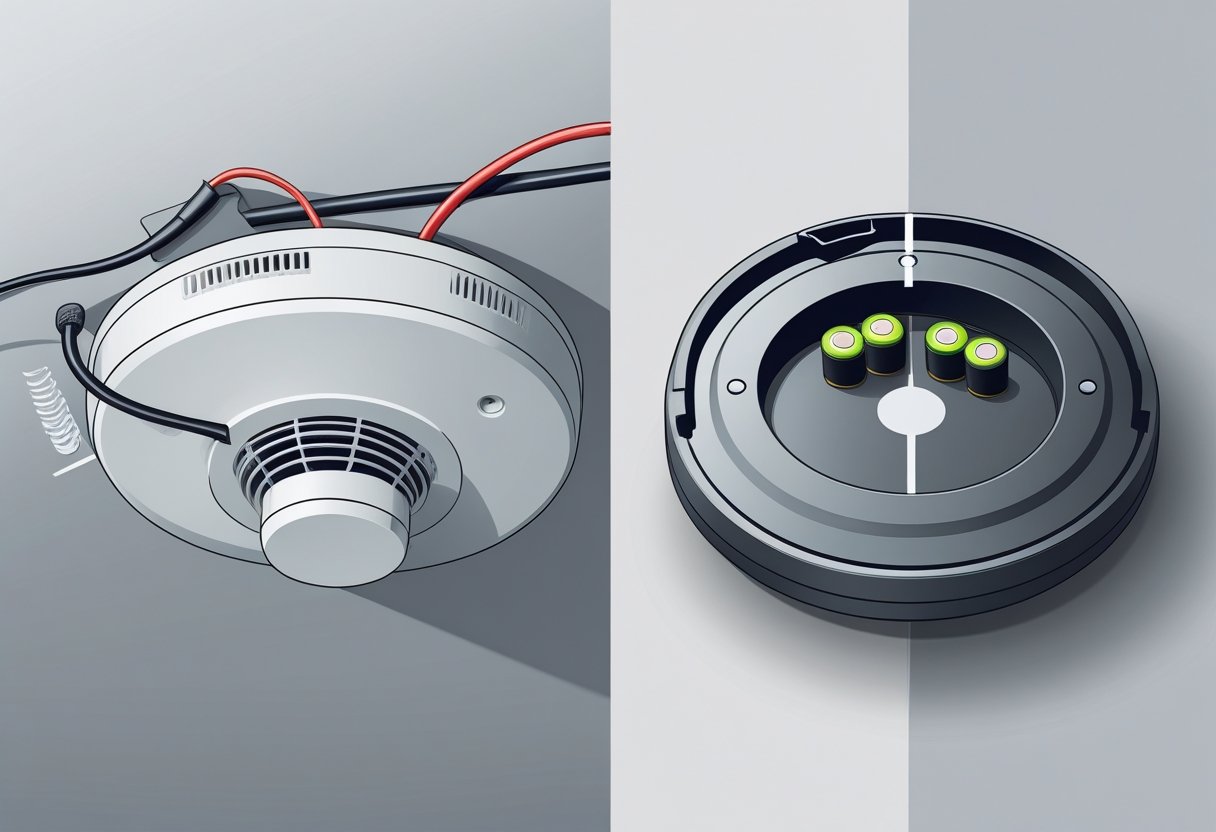
This post breaks down the practical trade-offs—installation, reliability, maintenance, lifespan, and cost—so you can match the right type to each room and your household habits. You’ll finish knowing which alarms reduce risk best for your layout and behavior, and where compromises make sense for Hardwired and Battery-Powered Smoke Detectors
Key Takeways
- Hardwired plus sealed backup gives the most consistent, low-maintenance protection.
- Battery-only units work well where wiring isn’t available or for quick installs.
- Match detector type to room access, wiring feasibility, and how often you’ll maintain it.
Key Differences Between Hardwired and Battery-Powered Smoke Detectors
You should choose by weighing continuous power and system-wide alerts against installation complexity and portability. Power source reliability, whether alarms communicate with each other, and where you can place units will determine day-to-day safety and maintenance needs.
How Power Supply Affects Reliability
Hardwired smoke detectors connect to your home’s 120V electrical system and usually include a battery backup. That mains connection gives continuous power so the unit won’t die if you forget to change batteries, though a dead or missing backup battery can still disable the alarm during an outage.
Battery-powered smoke detectors rely solely on replaceable or sealed long-life batteries. They stay operational during power failures but require you to replace batteries periodically or use 10-year sealed lithium models. If you miss replacements, the risk of alarm failure rises.
Check the device label: many jurisdictions require hardwired smoke alarms in newer construction. For retrofits, battery smoke detectors can meet code where wiring is impractical, but you must follow local regulations and replacement intervals.
Interconnectivity and Alarm Coverage
Hardwired smoke alarms commonly support wired interconnectivity so when one detector senses smoke, all connected alarms sound. That multiplies early warning across bedrooms, living areas, and multiple floors and can be crucial to wake sleeping occupants in larger homes.
Some battery-powered smoke detectors offer wireless interconnect features using RF or proprietary protocols. These can provide similar whole-house coverage without new wiring, but ensure the model you pick is compatible across all units and maintains a strong radio link through walls and floors.
Interconnected smoke detectors—whether wired or wireless—reduce the chance that an isolated alarm goes unheard. If you have a large or multi-level home, prioritize interconnected hardwired or proven wireless systems for consistent alarm coverage.
Installation and Placement Considerations
Wired smoke detectors require running wiring and often an electrician to meet code and ensure reliable interconnect wiring. You must plan placement during construction or major renovation because relocating a hardwired unit is more complex than moving a battery smoke detector.
Battery-powered smoke detectors install quickly with screws or adhesive and let you place alarms in locations without nearby wiring. That flexibility suits rentals, outbuildings, or finished basements where adding circuits would be costly.
Consider practical placement rules: install detectors on every level, inside and outside sleeping areas, and on ceilings or high on walls per manufacturer instructions. Whether you choose a hardwired smoke detector or battery smoke detectors, test monthly and replace units every 10 years or per the manufacturer.
Advantages and Disadvantages of Hardwired Smoke Detectors
Hardwired smoke detectors provide steady electrical power, common interconnection across multiple units, and are often required by code for new construction or major remodels. You’ll trade greater installation complexity and higher upfront cost for improved system reliability and coordinated alarm response.
Continuous Power and Battery Backup
A wired smoke detector runs on your home’s 120V AC supply, so it has a constant primary power source. That reduces the risk that an alarm will be dead because of a neglected battery.
Most hardwired smoke alarms include a battery backup. The backup keeps the unit active during outages, but you still need to replace that battery per manufacturer guidance. Relying on the AC supply plus backup generally yields more consistent operation than battery-only units, especially in multi-unit systems where one detector can alert the rest.
If your house experiences frequent outages, confirm the backup battery type (replaceable vs. sealed 10-year). Also check that interconnected smoke alarms in the network remain powered and that wiring connections follow code to avoid nuisance failures.
Mandatory Compliance and Building Codes
Local building codes and the National Electrical Code often require hard-wired, interconnected smoke alarms for new construction and major renovations. That means if you add a bedroom, finish a basement, or pull a permit, inspectors may require hardwired smoke detectors with interconnection.
You should verify codes for your jurisdiction because requirements vary. In many areas you must have at least one alarm on every level, one inside each sleeping area, and interconnection so all alarms sound together. Hard-wired smoke alarms typically meet these rules by design, which simplifies passing inspections and satisfying resale or insurance requirements.
If you live in an older home, battery-powered alarms can still be legal, but converting to hardwired devices often becomes necessary during upgrades or to comply with modern safety standards.
Installation Complexity and Cost
Installing hardwired smoke alarms usually requires running electrical cable, mounting junction boxes, and tying into the home circuit. A licensed electrician often performs the work, which raises labor costs compared with plug-and-play battery units.
Expect higher upfront expense for the detectors themselves plus installation. You may need ceiling access, drywall repairs, or rewiring in homes without existing connections, increasing time and price. However, the long-term maintenance cost can be lower because you won’t buy frequent batteries for primary power.
Plan for professional installation if you want true interconnection across multiple hard-wired smoke detectors. Doing the job yourself risks code violations or unsafe wiring unless you hold proper electrical credentials.
Advantages and Disadvantages of Battery-Powered Smoke Detectors
Battery-powered smoke detectors let you place alarms where wiring is impractical and install them yourself. They reduce upfront installation cost but require you to manage batteries and may limit system features like full interconnectivity.
Flexible Placement and Easy Installation
You can mount a battery smoke detector on any ceiling or wall without running electrical wiring or hiring an electrician. This makes them ideal for finished basements, attics, spare rooms, or detached garages where hardwiring would be costly or impossible.
Portability lets you relocate detectors during renovations or move them to a new property. Many battery models also come with simple mounting brackets and quick-start instructions so one person can complete installation in minutes.
Choose units that meet NFPA recommendations for placement: one in each sleeping area and outside every bedroom area. For larger homes, add additional units rather than relying on a single detector to cover long corridors.
Maintenance and Battery Replacement Needs
Battery smoke detectors demand regular battery checks and replacements to remain reliable. Replace standard alkaline batteries at least once a year or follow the manufacturer’s schedule; lithium 10-year sealed batteries remove yearly replacement but still require end-of-life replacement of the entire unit.
You should test each alarm monthly using its test button and log replacements or install models with a low-battery hush feature to reduce nuisance chirps. If you live in an area with frequent power outages, make sure battery-only smoke alarms are active—power loss does not affect them, but dead batteries will.
Expect lifecycle costs: cheaper upfront units cost more over time in batteries and potential replacements, while 10-year sealed-battery alarms cost more up front but cut long-term maintenance.
Limitations in Interconnectivity
Most basic battery-powered smoke alarms are standalone devices and will not automatically alert other alarms in the home. That means if a detector in the basement senses smoke, your bedroom alarms might stay silent unless you have interconnected units.
Some battery models offer wireless interconnect via proprietary radio frequencies or Wi‑Fi, but compatibility varies by brand. When adding battery-interconnected alarms, match models or confirm cross-brand interoperability; mismatched units can fail to communicate during an emergency.
For full-home notification, evaluate either hardwired-interconnectable battery backup systems or certified wireless-interconnect battery alarms. If you prioritize whole-house alerting, verify the alarm’s interconnect method and test the network after installation.
Choosing the Right Detector for Your Home

Pick based on how you use each room, how often you’ll maintain devices, and whether you need interconnected coverage or CO protection. Prioritize continuous power where you sleep and easy installability where wiring isn’t practical.
Cost Considerations and Longevity
Hardwired smoke detectors cost more upfront because of the units and electrician labor. Expect higher initial expense but lower routine cost if you avoid frequent battery purchases. Many hardwired models include battery backup; that reduces risk during outages but adds to purchase price.
Battery-powered smoke detectors are cheaper to buy and install. Replace single-use 9V or AA batteries yearly, or choose 10-year sealed battery models to cut maintenance. Over a decade, sealed-battery units often match or beat replaceable-battery units on total cost, but they still need full-unit replacement around year 10.
Factor in replacement schedules. The U.S. Fire Administration and NFPA recommend replacing alarms every 10 years. Include possible interconnectivity add-ons or combo units with built-in carbon monoxide alarms when calculating lifetime value.
Home Age, Renovation, and Legal Requirements
If your home is older and lacks junction boxes or accessible wiring, battery-powered detectors let you meet safety needs immediately. They work well in rentals and temporary setups where rewiring isn’t allowed.
When you renovate or add rooms, hardwired, interconnected smoke alarms are often required by local building codes for new construction or major remodels. Check municipal code: many jurisdictions mandate hardwired, interconnected detectors in bedrooms and common areas. An electrician can confirm compliance and tie in carbon monoxide alarms if required.
If you plan long-term ownership, upgrading to hardwired systems during renovation makes sense for consistent power and full-house alerts. For landlords, follow state and local statutes—some require hardwired or sealed ten-year batteries for rental units.
Smart Features and Integration with Carbon Monoxide Alarms
Decide whether you want networked notifications and remote alerts. Smart hardwired and battery-powered detectors both offer Wi‑Fi or proprietary hub connectivity for phone alerts, silence functions, and event logs.
Interconnected smoke alarms — whether hardwired or wireless—ensure that one triggered unit sounds the whole house. Hardwired interconnects are traditionally more reliable, but modern wireless interlinking performs well when installed per manufacturer instructions.
If you need CO protection, choose combination detectors that include both smoke and carbon monoxide sensing. Installing a single dual-sensor unit in sleeping areas can meet code and reduce device clutter. Confirm the device’s certification for both hazards and, for hardwired systems, ensure the CO function remains powered during outages via battery backup.
Frequently Asked Questions
You’ll find clear comparisons of power source, installation, maintenance, reliability, and interconnectivity below. Each answer focuses on practical facts you can use when choosing or maintaining detectors.
What are the major differences between hardwired and battery-operated smoke detectors?
Hardwired detectors draw power from your home’s electrical system and usually include a sealed battery backup. They often interconnect so one alarm triggers all units.
Battery-operated detectors run solely on replaceable or sealed batteries and can be installed anywhere without wiring. They are easier to fit but require routine battery checks and replacement to remain reliable.
What are the benefits of choosing a hardwired smoke detector for my home?
Hardwired units deliver continuous primary power, which reduces the chance of alarm failure due to dead batteries. They commonly support full-house interconnectivity, improving the chance that everyone hears an alarm.
Many hardwired models include combination functions like carbon monoxide detection and generally meet common building-code expectations for new or renovated homes. They often require professional installation, which helps ensure correct placement and wiring.
What concerns should I have about the reliability of battery-powered smoke alarms?
Battery-powered alarms depend on you to replace batteries on schedule; forgotten or missing batteries are a leading cause of nonworking alarms. Short-life batteries or disabling of alarms during nuisance events also reduce reliability.
Sealed 10-year lithium-battery models lower maintenance needs but still require replacement of the entire unit after the manufacturer’s service life. Test battery-powered alarms monthly and replace units every 10 years as a standard safety practice.
How do interconnected smoke detectors work, and do they require hardwiring?
Interconnected detectors share a signal so that when one senses smoke, all connected units sound simultaneously. Hardwired interconnectivity uses low-voltage wiring between alarms to relay that signal reliably across the house.
Some hardwired systems use wireless modules as backups or for retrofit situations, but traditional full-house interconnectivity typically relies on hardwiring for consistency and compliance with many local codes.
Can battery-operated smoke detectors be interconnected, and if so, how?
Yes. Modern battery-operated alarms can interconnect using wireless radio-frequency links built into the alarm. These units form a local network so one alarm’s activation triggers the others without extra wiring.
Ensure wireless-interconnect models use compatible protocols and meet UL or equivalent safety listings. Expect occasional false triggers or range limits; place units within the manufacturer’s recommended distance and test the network regularly.
What should I look for when selecting the best hardwired smoke detector?
Choose models that carry recognized safety listings (UL, ETL) and include a battery backup and interconnect capability. Look for multi-criteria or dual-sensor designs (photoelectric plus ionization or smart sensors) for better detection of different fire types.
Verify compatibility with existing wiring, ease-of-service features like removable mounting plates, and clear end-of-life notifications. Confirm local code requirements and consider professional installation to ensure correct wiring and placement.